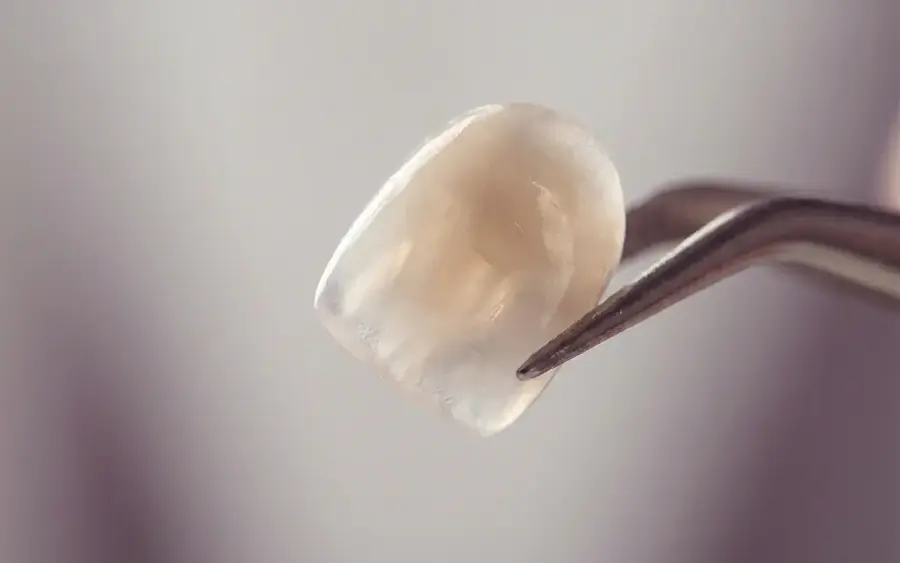
Crown and bridge
Fixed prostheses on your own teeth: when a crown is necessary, what a bridge requires and which material is good for what.
More on thisCrown, bridge or denture: what comes into question when teeth are missing, what health insurance covers and how to recognise a good cost plan.
A tooth falls out, breaks off or is so badly damaged that a filling no longer holds. Then a prosthesis replaces what is missing – a crown on your own tooth, a bridge across a gap, a denture for larger areas.
Which restoration fits is decided not by the wish but by the findings: how many teeth are missing, where they are missing, how firmly the remaining ones stand and how much bone is still there. Only after that comes the question of material and price.
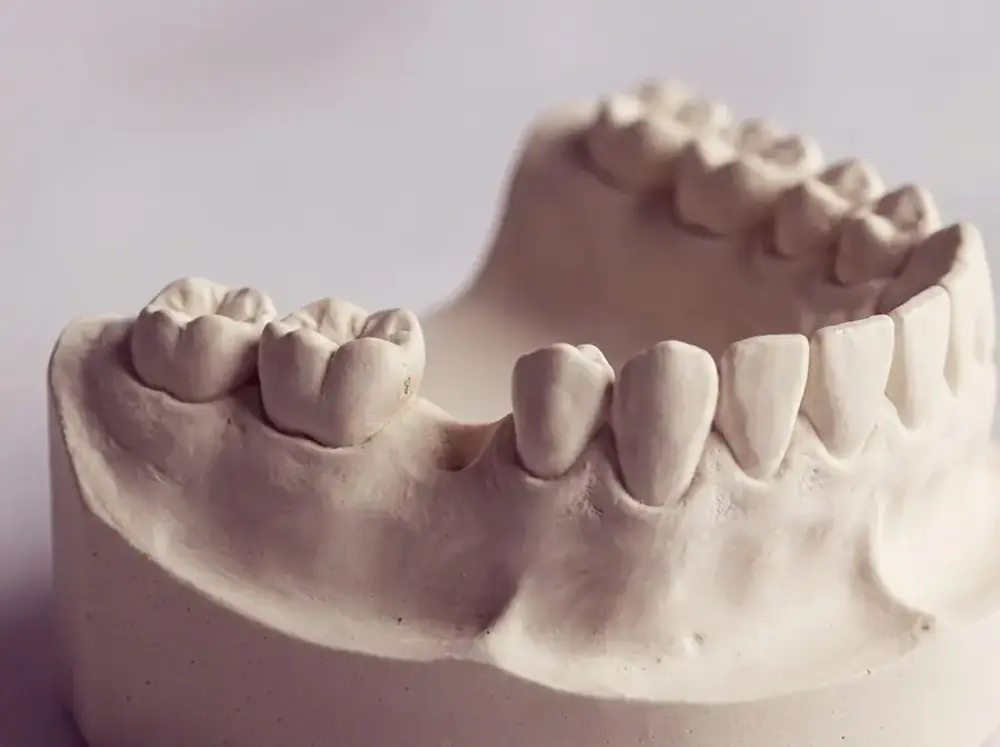
Not every gap has to be closed straight away – most do, though. These are the situations that most often lead to a prosthesis:
Statutory health insurance pays no share of your bill. It pays a fixed amount based on the findings: 60 per cent of the cost of the standard care, 70 or 75 per cent with a maintained bonus booklet. If you choose something more elaborate, that amount stays the same – you bear the difference.
That is why the right question is not „how much does the insurer pay“ but „how far do I go beyond the standard care, and is the difference worth it to me“. How that appears in the treatment and cost plan we explain line by line.
Frequently searched
 What types are there?Crown, bridge, denture – and what each is good for.
 What does it cost?Price ranges, the fixed allowance and your own share.
 What does the cost plan say?Four fields, and each says something different.
 What suits me?One tooth, several, a whole jaw.
 Who does this well?Practices with a focus on dental prostheses near you.
Fixed prostheses on your own teeth: when a crown is necessary, what a bridge requires and which material is good for what.
More on this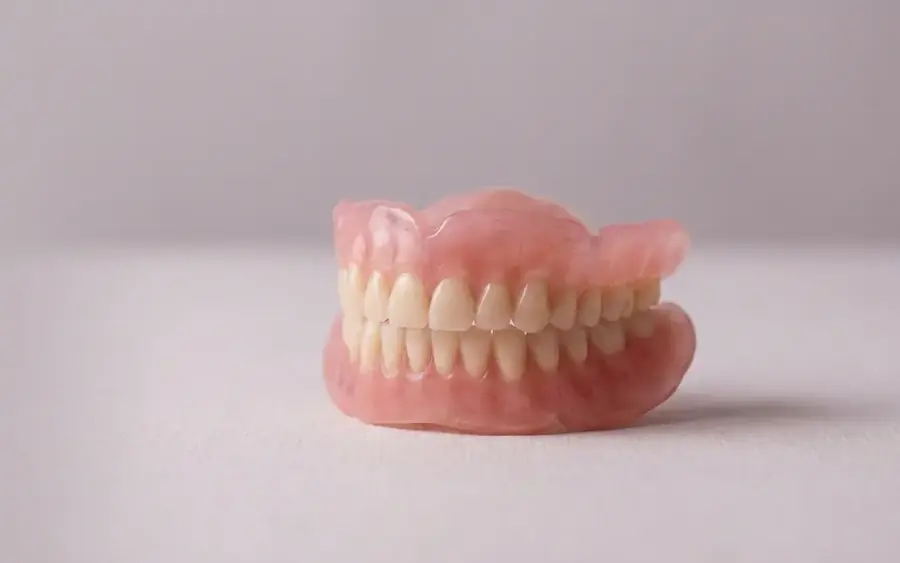
Partial denture, full denture, telescopic denture: what holds, what presses, what can be cleaned – and what getting used to it really demands.
More on this
Fixed allowance, bonus booklet, hardship rule, treatment and cost plan – and how to check a quotation item by item.
More on thisMore current reports can be found here
08.09.2026
With four-figure sums, a second look is the usual caution.
Weiterlesen →14.07.2026
Under a loose crown, decay carries on undisturbed.
Weiterlesen →12.05.2026
Additional preventive services for people with a recognised level of care need.
Weiterlesen →Answered briefly
Dental prostheses replace teeth that are missing or so badly damaged that a filling no longer holds. They include crowns on your own teeth, bridges across gaps, and partial and full dentures.
Fixed: crown and bridge, also on implants. Removable: partial denture, full denture and telescopic denture. Plus combined work that joins the two.
That depends on the findings and on the restoration chosen. A metal crown is in the mid three-figure range, a three-unit bridge in the four-figure range, a telescopic denture well above that. Only the treatment and cost plan is binding.
A fixed allowance per finding: 60 per cent of the cost of the standard care, 70 per cent with five years of a maintained bonus booklet, 75 per cent after ten years. The amount stays the same even if you choose a more elaborate restoration.
There is no best one. There is the one that suits the findings: the number and position of the gaps, the condition of the remaining teeth and the amount of bone available.
Crowns and bridges are at around 90 per cent after ten years. What matters is not the material but the care of the margins and the condition of the abutment teeth.
A crown two appointments within about a week, a bridge two to three appointments in two weeks, a denture four to five appointments over three to six weeks.
Usually yes. Broken dentures can often be repaired in the laboratory within a day. Important: do not glue anything yourself – superglue makes a clean repair impossible.
Keep the crown, do not put it back yourself and do not glue it. An appointment within the next few days is enough; until then chew carefully on that side.
Yes. Bridges, partial dentures, full dentures and telescopic work manage without implants. Implants are one option, not a precondition.
The Zahnersatz-Berater is an independent information portal for patients – with no advertising, and none of these pages replaces an examination. Under News you will find current reports, under FAQs the short answers. Dental implants are covered by the Implantat-Berater, gums and bone loss by the Parodontologie-Berater, misaligned teeth by the KFO-Berater.